
What a Cruise Really Costs
Cruise planning guide
The complete cruise budget guide, from the fare and gratuities to drinks, Wi-Fi, excursions, and the expenses first-time cruisers do not see coming.
Plan My Cruise With CelesteStart here
The price you see is not the price you pay.
If you have ever seen a cruise advertised for a few hundred dollars and thought there had to be a catch, you were half right. That fare can be real. It is simply the beginning of the budget.
Cruising remains one of the best values in travel, and I say that as someone who sails often and books cruises for clients every week. But the difference between the advertised fare and the amount that actually leaves your bank account surprises almost every first-time cruiser I work with.
The planning shortcut
1.5×–2×
For two adults, a realistic all-in cruise budget is often about one-and-a-half to two times the quoted fare once transportation, gratuities, drinks, excursions, and extras are included.
This guide walks through every major category of cruise spending, which expenses you can skip, and where spending more can genuinely improve the vacation. The ranges are planning numbers, not promises; rates and policies change by cruise line, ship, itinerary, and date.
The whole picture
Every cruise has two budgets
The first is mostly settled before you leave home. The second is spent on the ship and in port, where most surprises happen.
Before you sail
Fare, taxes, transportation, hotel, insurance, and parking.
On board and in port
Gratuities, drinks, dining, Wi-Fi, excursions, and extras.
Part one
The costs you pay before you sail
These are the expenses that get you onto the ship. The fare is the largest line item, but it only makes sense when you compare the same week, cabin type, and inclusions.
| Cost category | Typical planning range | What changes the number |
|---|---|---|
| Cruise fare | Varies widely | Ship, cabin category, itinerary, season, and how far in advance you book all matter. |
| Taxes, fees, and port expenses | $100–$300 per person | A useful planning range for many 7-night sailings. These charges are not optional. |
| Getting to the port | $0–$600+ per person | A drive-to port can cost very little. Flying adds airfare and usually a hotel night. |
| Pre-cruise hotel | $150–$400 per night | I recommend arriving a day early when you fly so one delayed flight does not cost you the cruise. |
| Travel insurance | Often 5–10% of trip cost | Age, trip cost, and coverage drive the price. Compare the policy details, not just the premium. |
| Parking at the port | $15–$30 per day | Compare a week of parking with a nearby hotel offering a park-and-cruise package. |
Part two
The costs you pay on board
Drinks, specialty dining, Wi-Fi, shore excursions, service charges, and the little purchases that quietly accumulate. This is the half of the budget worth deciding before embarkation day.
Price a Real CruiseWhat can appear on the statement
The optional spending adds up faster than the required costs
You do not need to buy every package or upgrade. The point is to decide which ones improve your vacation before the sales messages and onboard pitches start making the decisions for you.
| Cost category | Typical planning range | What changes the number |
|---|---|---|
| Gratuities / service charges | About $17–$25 per person, per day | The exact amount varies by line and cabin. Many lines charge children too, but age rules differ. |
| Drinks without a package | About $8–$16+ each | Beer, wine, cocktails, soda, water, and specialty coffee add up differently. An 18–20% service charge is common. |
| Alcohol packages | Often $65–$110+ per person, per day | Many prices are shown before gratuity. Cabin-purchase rules and per-drink caps can change the value quickly. |
| Specialty dining | $35–$80+ per person, per meal | Included dining can cover every meal. Specialty restaurants are an optional experience, not a requirement. |
| Wi-Fi | Roughly $15–$40 per day | Device count, speed, streaming access, and pre-cruise discounts all affect the price. |
| Shore excursions | $50–$200+ per person, per port | Beach transfers cost less than private or full-day tours. Compare timing, cancellation terms, and port-return protection. |
| Photos, spa, casino, and shops | $0 to whatever you allow | Entirely optional. Choose a number before you board so impulse purchases do not choose it for you. |
| Kids' extras | Mostly included, with exceptions | Daytime youth programming is usually included. Arcades, late-night care, and selected activities may cost extra. |
The most-asked question
The drink-package question, answered honestly
Sometimes. But convenience and savings are not the same thing.
A package advertised at $75 per person, per day becomes $88.50 with an 18% gratuity. For two adults on a 7-night cruise, that is $1,239 before you buy anything else.
At typical menu prices, each person may need roughly five to seven package-covered drinks across cocktails, beer, wine, coffee, soda, and water every day to approach the break-even point. Port days, loyalty drinks, and beverages you bring aboard where permitted can move that line considerably.
Run your numbers in my drink-package calculator →
Worth comparing if
You drink throughout the day
Premium cocktails, wine, specialty coffee, soda, and bottled water all count toward the value, not only alcohol.
Probably not if
You are a light or occasional drinker
A morning coffee and a glass of wine with dinner will rarely justify paying for a package every day of the cruise.
Check before buying
The cabin rules and drink cap
Many lines require all adults of legal drinking age in the cabin to participate, though alternatives and exceptions vary. Most packages also set a maximum covered price per drink.
Put the numbers together
A realistic 7-night cruise budget for two adults
Both examples assume two adults share a cabin and drive to the departure port. The first protects the essentials. The second includes more convenience and paid experiences.
| Category | Keeping it lean | Comfortable |
|---|---|---|
| Cruise fare for two adults | $1,400–$2,000 | $2,800–$4,500 |
| Taxes, fees, and port expenses | $250–$500 | $250–$500 |
| Pre-cruise hotel and parking | $150–$350 | $300–$500 |
| Gratuities | $240–$350 | $275–$350 |
| Drinks | $150–$300 | $900–$1,300 |
| Specialty dining | $0 | $150–$300 |
| Wi-Fi | $0–$120 | $200–$350 |
| Excursions | $150–$300 | $400–$800 |
| Extras and souvenirs | $100–$200 | $300–$500 |
| Insurance | $150–$300 | $250–$500 |
| Realistic all-in total | $2,600–$4,400 | $5,800–$9,600 |
Spend deliberately
Where your money makes the biggest difference
After years of sailing and booking, I would rather see a client choose one experience they will remember than pay for every upgrade simply because it is offered.
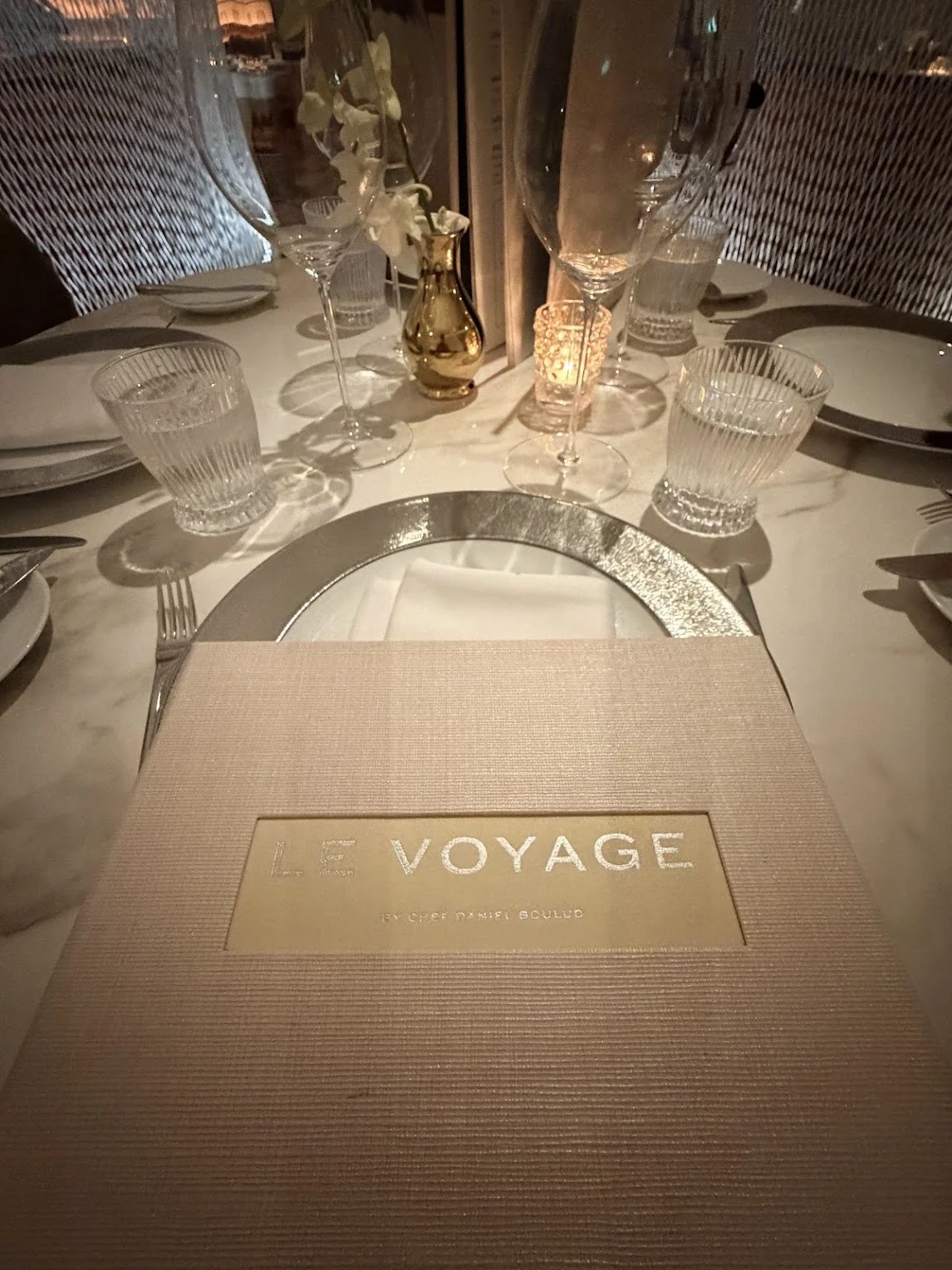
Specialty dining is a good example. It is never required, but one restaurant you are genuinely excited about can be worth far more than several forgettable purchases scattered through the week.
Often worth it
A better cabin location
Midship on a middle or lower deck can be money well spent when someone is sensitive to motion or long walks.
Often worth it
Arriving the day before
A hotel night creates breathing room when a flight delay, traffic, or weather could otherwise make you miss the ship.
Often worth it
One or two special experiences
Choose the excursion or meal you will talk about afterward instead of buying a little bit of everything.
Often easy to skip
A package for a light drinker
Run the honest math for both adults before paying for seven days.
Often easy to skip
Ship photos and impulse shopping
Your phone takes excellent pictures, and the watch is not always the bargain it appears to be.
Often easy to skip
Wi-Fi for every device
If simultaneous access is not important, a one-device plan that can move between devices may be enough. Check the specific terms.
Keep the budget honest
Seven ways to avoid a surprise bill
- 01
Start with the all-in number
Use the 1.5-to-2-times shortcut as a first planning estimate, then replace every range with real pricing for your sailing.
- 02
Prepay what makes sense
Packages and excursions are often discounted before sailing. Prepaid gratuities may not cost less, but they keep the onboard statement predictable.
- 03
Compare the bundle honestly
Price the bundled fare against the base fare plus only the extras you would actually buy. More included does not always mean better value.
- 04
Set an onboard allowance
Give the fun extras a number and check your account in the cruise-line app or on the stateroom TV every night or two.
- 05
Try shoulder season
The same ship and itinerary can cost dramatically less a few weeks earlier or later when your calendar is flexible.
- 06
Book scarce cabins early
Connecting rooms, accessible cabins, suites, and rooms that sleep three or four often disappear before the bargain fares do.
- 07
Keep watching after you book
When the price drops and the fare rules allow it, I request the lower rate or better promotion for my clients before final payment.
Quick answers
Cruise budget FAQs
Are cruise gratuities really optional?
On many mainstream lines, automatic service charges can be adjusted at guest services. I do not recommend removing them. These charges support the crew members taking care of guests throughout the sailing, and I treat them as part of the cost of cruising.
Is the food really included?
Yes. The main dining room, buffet, and several casual venues are usually included from breakfast through late night. You can eat well all week without paying for a specialty restaurant. The exact included venues vary by ship.
How much cash should I bring?
Very little for the ship itself. Cruise ships use a cashless onboard account. Bring smaller bills for porters, tour guides, independent vendors, and spending in ports where cards may not be convenient.
Do kids pay gratuities, taxes, and fees?
Taxes and port expenses generally apply to every guest, even when a promotion says a child sails free. Gratuity policies vary by cruise line and sometimes by age, so I budget for every traveler unless the exact quote shows otherwise.
Does working with a travel advisor cost extra?
My cruise-planning services do not add a separate planning fee. I compare ships, cabins, fares, and inclusions; monitor eligible bookings for better promotions; and stay involved from booking until you are home.

Ready for real numbers?
Let's budget your cruise, not a hypothetical one.
Tell me who is traveling, when you can go, and what matters most. I will compare real ships, dates, cabins, and inclusions so you can see the honest all-in picture, not only the teaser fare.
Request a Complimentary Vacation Quote